Bedding · Materials & care
Wool Mattress Toppers: How Loft, Moisture, and Care Shape Comfort
Wool bedding can add a soft layer between sleeper and mattress while helping manage warmth and moisture. But “wool topper” can describe products with very different thicknesses, fills, and care needs. Understanding those differences is the first step toward deciding whether a wool mattress layer fits your sleep setup.
Published November 21, 2026
Wool begins far from the bedroom: a springy fleece grown to protect sheep through changing weather. In bedding, that fiber is cleaned, processed, and arranged into a layer whose feel depends on far more than its name. A thin wool mattress pad may soften the surface only slightly; a lofty, densely filled topper can create a more noticeable cushion. Between them are variations in quilting, shell fabric, fastening, and maintenance.
Those distinctions matter because a bedding layer does not work in isolation. It sits on a particular mattress, beneath sheets, in a room with its own temperature and humidity. A sleeper’s warmth, preferred firmness, and sensitivity to pressure all shape how the layer feels. Wool’s familiar reputation for breathability and temperature regulation is useful context, not a promise that every wool product will feel cool, dry, or equally comfortable to every person.
This guide explains how loft, construction, moisture handling, fit, and care influence the experience of wool-filled bedding. It also clarifies the difference between a topper and a pad—terms that are sometimes used loosely, even though the products can serve different purposes.
First, distinguish a topper from a pad
A mattress topper is generally intended to change the feel of a mattress. It may add cushioning, create a softer surface, or provide a more substantial layer between the sleeper and the mattress. A mattress pad is often thinner and may be designed primarily to add a modest amount of softness or protect the mattress from everyday wear. These are common conventions rather than universal rules: labels vary, and a product’s construction is more informative than its name.
With wool, the difference can be especially important. Wool fill can be used in a light, quilted pad or in a thicker layer with more loft. A lightly filled pad might smooth the feel of a firm surface without dramatically changing it. A thicker topper may feel more plush, though the result depends on fill amount, how evenly it is distributed, and how the layers compress under body weight.
Neither form should be assumed to correct a damaged or unsuitable mattress. A topper can adjust surface comfort, but it cannot reliably repair sagging support or restore a mattress that has lost its structure. If a bed feels uneven or causes persistent discomfort, consider the condition of the mattress and seek appropriate professional advice where needed rather than expecting a bedding layer to solve every problem.
Loft: the visible depth that becomes a sleeping surface
Loft describes how full or raised a layer appears. In a wool mattress topper, loft is shaped by the amount and arrangement of wool, the quilting pattern, and the way the material responds to pressure. A higher-looking profile does not automatically mean greater support or longer-lasting cushioning. Fibers compress under weight, and the experience can change with use.
Quilting helps hold fill in place and can reduce movement within the shell. The spacing and pattern of stitches influence how the surface feels: tightly divided sections may limit migration but can make the layer feel more structured, while wider channels may allow a different distribution of softness. Construction details are worth checking because two products described as wool-filled may behave differently once spread over a mattress.
Think about the change you actually want. If the mattress is comfortable but feels a little too firm at the surface, a modestly cushioned pad may be enough. If you are looking for a more pronounced plush layer, a thicker design could be more relevant—but it may also change the way sheets fit and how the mattress feels at its edges. For sleepers who need a very specific degree of pressure relief or support, wool should be compared with other materials and, if necessary, guidance from a qualified health professional.
- Low loft: Usually makes a more subtle change to the surface and may be easier to fit beneath sheets.
- Medium loft: Offers a more noticeable layer of softness, depending on fill density and quilting.
- Higher loft: Can feel more substantial, but may compress, shift, or require deeper bedding dimensions.
These descriptions are a starting point, not a standardized measurement. Manufacturers may define thickness differently, and a product’s loft before use may not match its compressed feel after a night of sleep. When available, look for clear information about fill, construction, dimensions, and intended use rather than relying on a single adjective such as “plush.”
Moisture and temperature: what wool can—and cannot—do
Wool fibers can take up moisture vapor within their structure, and wool bedding is often chosen for its ability to help moderate the feel of warmth and dampness. That quality can contribute to a comfortable sleep surface for some people, especially when paired with breathable sheets and a room that is not excessively warm or humid. But wool is not a cooling system, and no fiber can control every factor that affects how hot a sleeper feels.
Temperature at night reflects a network of conditions: room climate, pajamas, bedding layers, mattress materials, airflow, and individual physiology. A wool-filled layer may feel warm to one person and comfortably balanced to another. The shell fabric also matters. A cotton cover, for example, has a different hand and air movement than a tightly woven synthetic shell. The combined construction—not simply the word “wool”—shapes the surface experience.
Moisture absorption should not be confused with waterproofing. Wool bedding is not automatically a barrier against spills, accidents, or liquid reaching the mattress. If liquid protection is a priority, look for a product explicitly designed as waterproof or use a suitable protector beneath or above the wool layer according to the manufacturers’ instructions. Layering choices can alter the feel and airflow of the bed, so consider the complete arrangement rather than each item separately.
Humidity is another part of the picture. A breathable mattress layer cannot eliminate moisture in a poorly ventilated room or replace basic bedroom care. Allow bedding to air when practical, follow laundering guidance, and address persistent dampness in the room itself. In compact city apartments, where airflow and storage can be limited, letting a layer dry fully after cleaning is especially important; local climate and building conditions can affect how quickly that happens.
The construction checklist
Before comparing wool mattress toppers or pads, examine the product’s details. A useful description should explain what the fill contains, what the shell is made from, how the layer attaches to the mattress, and how it should be cleaned. If those details are absent, it is difficult to predict how the product will fit into an existing bedding routine.
- Fill composition: Check whether the fill is all wool or a blend. Blended batting may affect loft, resilience, and care instructions.
- Shell material: The cover influences touch, breathability, and how the fill is contained.
- Quilting: Stitching can help keep fill distributed, though pattern and spacing vary.
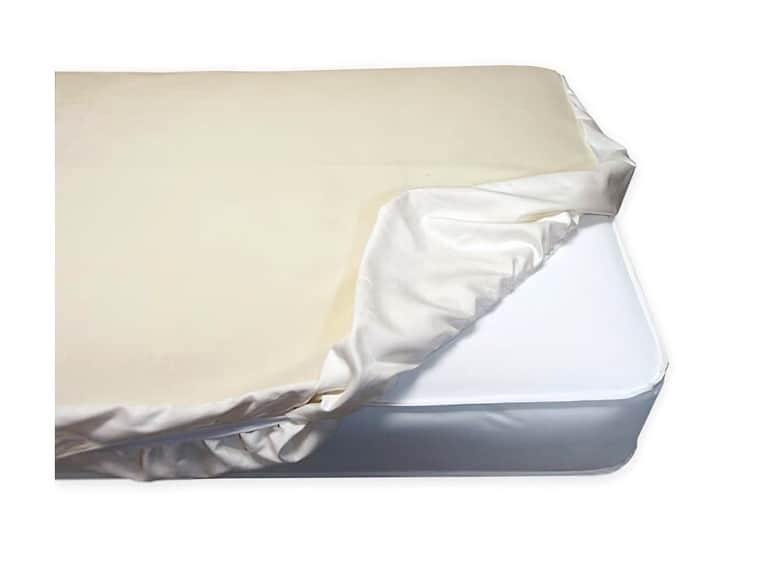
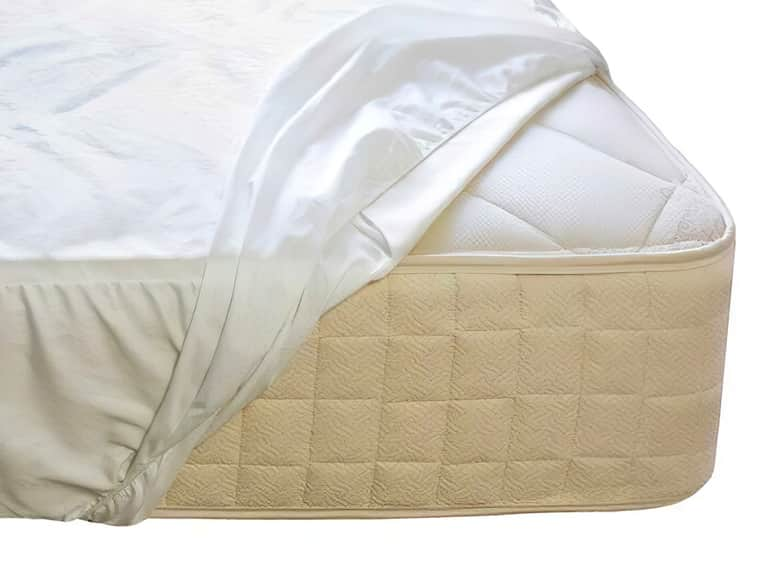
- Attachment: Corner straps, elasticized skirts, or a fitted shape each hold the layer differently.
- Mattress depth: Confirm that the attachment and fitted sheets can accommodate the mattress and any added layers.
- Cleaning method: Determine whether the entire item can be washed or whether it needs specialist care.
- Certifications and claims: Read what a certification actually covers, and distinguish verified standards from broad marketing language.
Attachment is easy to overlook until a layer starts moving. Corner straps can be simple to place but may need occasional adjustment. A fitted skirt can hold more of the perimeter, though it must suit the mattress depth. A wool layer that shifts, bunches, or pulls at the corners may disturb sleep and create uneven cushioning. Checking dimensions and mattress profile before use can prevent a mismatch.
Care: wool needs instructions, not assumptions
There is no single care routine for every wool mattress pad. Some wool products are intended for hand washing or gentle machine washing; others should not be immersed and may require professional cleaning. Fill blends, quilting, shell fabric, and finishing treatments all affect what is safe. The manufacturer’s care label should take priority over generic advice about wool.
Water temperature, agitation, and heat can influence wool fibers and the shape of a quilted layer. Shrinkage, felting, distortion, or uneven fill may occur if a product is washed or dried contrary to its instructions. Avoid assuming that “natural” means washable, or that a household wool detergent makes every item safe to launder. If the label is unclear, contact the maker before cleaning.
For routine freshness, airing may be appropriate when the product’s instructions allow it. Remove sheets and give the bedding time to dry fully, especially after a night when the room feels humid. For a small spot, follow the care guidance and test any cleaning method in an inconspicuous area if the manufacturer permits. Avoid soaking a large section or applying harsh chemicals without checking whether they could affect the wool, shell, or stitching.
Machine-washable designs can be more convenient for households that want a layer they can clean at home. Even then, “machine washable” does not mean every cycle and dryer setting is suitable. Use the specified temperature, cycle, detergent, and drying method. A large pad can also be heavy when wet, so ensure that the washing machine can handle its size without overloading.
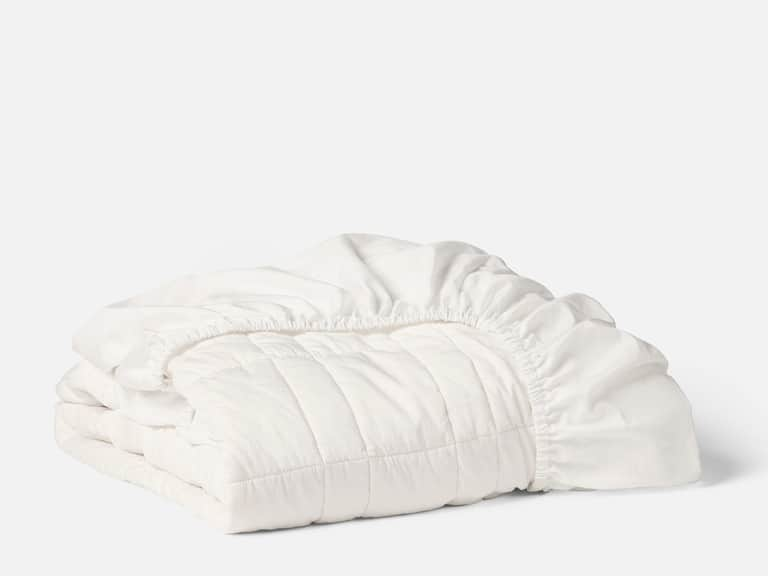
One example of a product built around this practical consideration is the Washable Wool Filled Mattress Pad. Its stated construction includes 85% NATIVA wool from Uruguay and 15% plant-based batting, with a shell made from 100% organic cotton. It is described as machine washable. As with any wool bedding, consult the product’s own care instructions before laundering; the fill blend and shell should guide the routine.
Fit, sheets, and the layers around the topper
A new mattress layer changes the height of the bed. Measure the mattress depth and consider how much height the topper or pad adds before choosing sheets. A fitted sheet that previously stayed secure may become too shallow, while a loose sheet can wrinkle or pull during the night. If the wool layer uses straps, check that they sit securely without interfering with the mattress or adjustable base.
Consider the full stack: mattress, protector, wool layer, and sheet. A waterproof protector may be useful for spill protection, but its placement and surface can change how the bedding feels. Some sleepers prefer the protector directly over the mattress, with a comfort layer above; others follow a product’s recommended arrangement. Use the manufacturers’ instructions and make sure that each layer remains stable and compatible.
For an adjustable bed, movement can reveal weak fit. A thick or loosely secured layer may shift as the base changes position. Confirm that the product is appropriate for the bed’s dimensions and movement, and inspect the corners after adjustment. The same practical check applies to split mattresses, unusual mattress profiles, and beds with deep pillow tops.
Is a wool mattress layer a good match?
Wool may be worth considering if you want a natural-fiber layer, modest cushioning, or bedding that can contribute to a balanced-feeling sleep surface. It may be less suitable if you need a waterproof barrier, want a very distinct contouring feel, or require an item that can be washed frequently but the product’s care instructions do not allow that. A wool product’s performance also depends on the quality and consistency of its construction.
People with wool sensitivity should take care and review materials closely. Natural fibers are not automatically appropriate for everyone, and claims such as “hypoallergenic” should not be read as a guarantee that no one will react. If you have a known allergy or medical concern, consult a qualified clinician and check the complete material information before use.
Rather than choosing by material reputation alone, frame the decision around a few concrete questions: Do you want protection, softness, or both? How much should the surface feel change? What temperatures and humidity do you experience in the bedroom? Can you meet the care requirements? Will the layer fit the mattress and sheets? Clear answers make comparison more useful than a general promise of better sleep.
A simple comparison process
- Describe the problem. Decide whether the issue is surface firmness, mattress protection, temperature, or routine care.
- Set a target feel. Choose whether you want subtle softness or a more substantial cushion.
- Read the construction details. Compare fill, shell, quilting, and attachment method.
- Check measurements. Include mattress depth, topper thickness, sheet depth, and any protector.
- Match the care routine to your home. Choose a design whose cleaning requirements are realistic for you.
- Review the claims carefully. Look for precise, supported information rather than assuming every wool layer works the same way.
After fitting a new layer, give yourself time to notice how it behaves during ordinary use. Check whether it stays flat, whether the sheets remain secure, and whether the surface feels as expected. If the layer bunches or the bed becomes uncomfortably warm, revisit the fit and the surrounding bedding. Small adjustments—such as changing sheet tension or removing an unnecessary layer—may matter as much as the fill itself.
The useful lesson in the fiber
Wool’s value in bedding lies not in a single dramatic promise but in a set of material characteristics shaped by design. Its loft, fill density, quilting, shell, and care requirements determine whether a particular pad feels barely there or noticeably cushioned. Its ability to absorb moisture vapor and provide insulation can contribute to comfort, while room conditions and personal preference remain decisive.
For anyone comparing wool mattress toppers, the most reliable approach is to look past the label. Ask what the product is built to do, how it attaches, how it should be cleaned, and whether its dimensions fit the bed. When those details align with the sleeper’s needs, a wool layer can become a practical part of a thoughtful bedding system—not a substitute for a suitable mattress, good room conditions, or individualized health advice.